

EPC Legislation and Cost-Effective Strategies for Compliance

Introduction to Energy Performance Certificate (EPC) Legislation
Energy Performance Certificate (EPC) legislation has been imperative in the UK’s drive towards enhanced energy efficiency measures and reduced carbon emissions. Introduced as part of the European Union’s Energy Performance of Buildings Directive (EPBD) in 2007, EPCs provide a standardised way to measure and compare the energy efficiency of buildings.
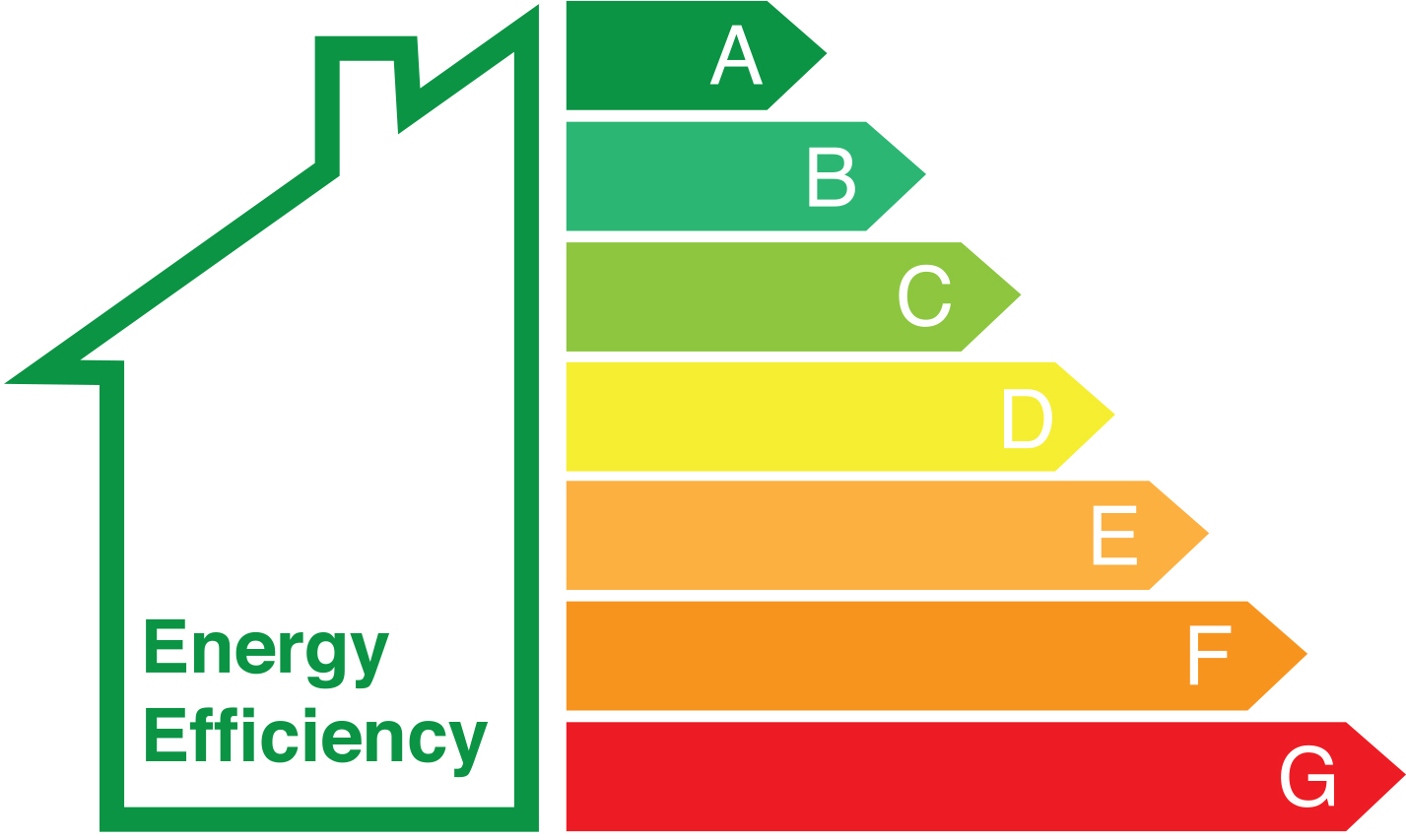
They rate properties on a scale from A (most efficient) to G (least efficient) and include recommendations for improvement. EPCs are legally required for all commercial and residential buildings when constructed, sold, or rented.
Purpose of EPC Legislation: Implementing Minimum Energy Efficiency Standards
The primary purpose of EPC requirements is to promote energy efficiency, lower carbon footprints, and inform property owners and tenants about energy consumption. By making energy efficiency transparent, the rules encourage energy efficiency improvements, aiming for significant cost savings and environmental benefits.
EPC standards have had a profound impact on the property industry in the UK. It has driven a shift towards greener buildings, influenced property values, and altered tenant expectations. Buildings with higher EPC ratings are now seen as more desirable, both for their cost-saving potential and their lower environmental impact.
This shift has encouraged property owners to invest in energy-efficient upgrades to stay competitive in the market.
Consequently, energy-efficient property is increasingly recognised for its ability to improve reputation, attract more potential buyers or tenants, and significantly reduce both environmental impact and utility bills, despite the initial costs, which may be passed on through increased rents.
Benefits of EPC Legislation
Complying with EPC benchmarks offers several advantages, both immediate and long-term. Additionally, understanding the potential energy efficiency rating can guide property owners on improvements to meet legal standards, potentially increasing the property’s market value. Here are some of the key benefits:
Improved Energy Efficiency
Upgrading your property’s energy efficiency reduces energy consumption, leading to lower utility bills. Energy-efficient buildings use less power for heating, cooling, and lighting, resulting in substantial savings. This not only helps property owners save money but also makes buildings more attractive to potential buyers and tenants.
Reduced Carbon Emissions
Enhancing energy efficiency directly impacts the reduction of greenhouse gas emissions. This aligns with the UK’s commitment to achieving net-zero carbon emissions by 2050, contributing to global efforts to combat climate change. By reducing energy consumption, buildings can significantly lower their carbon footprint, making them more environmentally friendly.
Increased Building Value
Properties with higher EPC ratings tend to have increased market value. Energy-efficient buildings are more attractive to buyers and tenants, as they promise lower running costs and a smaller environmental footprint. This can lead to quicker sales and higher rental incomes, making energy-efficient upgrades a smart investment for property owners.

Cost-Effective Strategies for Improving Energy Efficiency
Improving the energy efficiency of commercial buildings does not necessarily require a large budget. Here are some cost-effective strategies to enhance your building’s EPC rating:
Lighting Solutions
- Switch to LED lighting: LEDs consume significantly less energy than traditional incandescent or fluorescent bulbs. They also have a longer lifespan, reducing the frequency of replacements and maintenance costs. This simple switch can lead to substantial energy savings and lower operating costs.
- Install motion sensors: Motion sensors ensure that lights are only used when necessary. By automatically turning off lights in unoccupied areas, you can cut down on unnecessary energy usage. This not only saves energy but also extends the life of your lighting fixtures.
- Utilise natural light: Maximising the use of natural light can reduce the need for artificial lighting. Installing larger windows or skylights and using light-coloured interior finishes can help make the most of available daylight. This strategy can create a more pleasant working environment while lowering energy consumption.
HVAC System Optimisation
- Regular maintenance: Keeping your heating, ventilation, and air conditioning (HVAC) system well-maintained ensures it operates efficiently. Regularly cleaning filters, ducts, and coils can prevent the system from working harder than necessary. Proper maintenance can also extend the lifespan of your HVAC equipment, saving you money on replacements.
- Smart thermostats: Installing smart thermostats allows for better control over heating and cooling. These devices can learn occupancy patterns and adjust temperatures accordingly, reducing energy waste. Smart thermostats can also be controlled remotely, providing flexibility and convenience.
- Zoning systems: Implementing zoning systems enables targeted heating and cooling in different areas of a building. This ensures energy is only used where and when it is needed, rather than heating or cooling unoccupied spaces. Zoning systems can significantly improve energy efficiency and comfort.
- Upgrade to energy-efficient equipment: If your HVAC system is outdated, consider upgrading to a more energy-efficient model. Newer systems often come with advanced features that enhance performance and reduce energy consumption. While this may require an initial investment, the long-term savings can be substantial.
Insulation and Building Envelope Improvements
- Upgrade insulation: Proper insulation is crucial for maintaining a building’s temperature and reducing energy consumption. Upgrading insulation in walls, roofs, and floors can significantly improve the energy efficiency rating. High-quality insulation materials can keep heat in during the winter and out during the summer, reducing the need for heating and cooling.
- Seal gaps and cracks: Ensuring that your building is properly sealed can prevent energy loss. Gaps and cracks around windows, doors, and other openings can let in drafts and cause your HVAC system to work harder. Sealing these areas can improve comfort and reduce energy bills.
- Energy-efficient windows and doors: Replacing old windows and doors with energy-efficient models can also make a big difference. Double or triple glazing, along with proper sealing, can reduce heat loss and improve insulation. This upgrade can enhance both the energy efficiency and aesthetic appeal of your building.
By incorporating these energy efficient improvements, businesses can leverage government schemes that offer discounted products for enhancing a building’s energy efficiency, thereby improving its EPC rating to a D or above, a crucial factor for eligibility in schemes such as the Feed-in Tariff.
Furthermore, making energy efficiency improvements, especially in insulation and the building envelope, is vital. Landlords should be aware of the exemptions under the Minimum Energy Efficiency Standards (MEES) regulations, which may apply if such improvements negatively impact listed buildings or those in conservation areas.
Upcoming Changes in Minimum EPC Rating
It’s crucial to be aware of the upcoming changes in the minimum EPC rating, which will require commercial properties to upgrade from a minimum rating of E to C by 2027, and potentially to B by 2030 to avoid penalties and prioritise energy-efficient upgrades.
These changes are part of the UK Government’s strategy to achieve net-zero carbon emissions by 2050, as outlined in the Energy White Paper: Powering our Net Zero Future. The implications for commercial property owners are significant, as failing to meet these new standards will not only result in financial penalties but also restrict their ability to let or sell properties.
These regulatory changes underscore the importance of proactive planning and investment in energy efficiency measures. Property owners who act now to upgrade their buildings’ energy performance will be better positioned to comply with future regulations, avoid penalties, and maintain the marketability of their properties.
Implementing cost-effective energy efficiency measures, such as those discussed in this article, can help property owners meet the new EPC requirements and ensure their buildings remain competitive and attractive to tenants.

Tips for Compliance with EPC Regulations
Achieving compliance with EPC regulations while minimising costs requires a strategic approach.
Here are some of our top tips:
Prioritise energy-efficient upgrades
Focus on improvements that offer the highest return on investment. Upgrading insulation, installing energy-efficient windows, and optimising heating and cooling systems can significantly boost your EPC rating without exorbitant costs.
These upgrades can also provide immediate benefits in terms of energy savings and improved comfort.
Conduct an Energy Audit
An energy audit can identify areas where the minimum energy efficiency standards can be improved.
This allows you to target specific areas that will have the most impact on your EPC rating. Professional energy auditors can provide detailed recommendations and help you develop a cost-effective improvement plan.
Utilise government grants and incentives
Explore available government grants and incentives aimed at promoting energy saving, including support for obtaining energy performance certificates (EPCs).
These certificates are crucial for assessing and improving the energy efficiency rating of properties, and the UK government offers various schemes and funding opportunities to help offset the costs of upgrades, improvements, and EPC acquisitions.
This makes it easier for property owners to invest in necessary upgrades, enhancing the energy performance and compliance of their properties.
Implement a CAFM System
A Computer-Aided Facility Management (CAFM) system can streamline the management of energy and eco-efficiency measures. CAFM systems help track energy usage, schedule maintenance, and manage compliance, ensuring ongoing minimum energy performance requirements.
By providing real-time data and analytics, a CAFM system can help you make informed decisions and optimise your building’s performance.
Engage with professional services
Working with energy consultants and facilities management experts can provide valuable insights and support. These professionals can help you navigate the complexities of EPC legislation, identify cost-effective solutions, and ensure compliance. Their expertise can save you time and money while maximising the benefits of your environmental efficiency efforts.
EPC rules are a critical element in the UK’s efforts to enhance an energy efficiency rating and reduce carbon emissions.
By understanding the benefits and implementing cost-effective strategies, property owners and managers can achieve compliance, improve their building’s performance, and contribute to a sustainable future.
Investing in energy efficient methods not only benefits the environment but also enhances property value and reduces operating costs, making it a wise choice for any budget-conscious property manager.
Embrace these strategies and tips to ensure your building meets EPC standards while optimising your investment.
Additionally, understanding the estimated energy costs as part of Energy Performance Certificates can further highlight how energy efficiency leads to reduced operating costs.

FAQs
1. Who is responsible for obtaining an EPC?
In the UK, the responsibility for obtaining an EPC falls on the property owner or landlord. This applies to both residential and commercial properties when they are built, sold, or rented out. If you are a landlord or selling your property, you must ensure that an EPC is ordered before the property is marketed.
2. How does an EPC assessment work?
An EPC assessment involves a qualified energy assessor visiting the property to collect data on various elements, including:
- The type and age of the property.
- The heating systems and controls.
- Insulation levels.
- Windows and glazing types.
- Lighting and energy-saving devices.
This information is then used to calculate the property’s energy efficiency rating and generate the EPC.
3. What is the Minimum Energy Efficiency Standard (MEES), and how does it relate to EPCs?
The Minimum Energy Efficiency Standard (MEES) is a regulation in the UK that sets a minimum EPC rating that buildings must achieve to be legally let.
As of April 2018, properties in England and Wales must have a minimum EPC rating of E to be rented out. This standard applies to both residential and commercial properties, and failing to comply can result in significant fines.
For detailed information on MEES, you can refer to the UK Government’s MEES guidelines.
4. How does EPC legislation specifically impact commercial buildings?
EPC legislation impacts commercial buildings by requiring property owners to obtain an EPC when the building is constructed, sold, or leased.
The EPC provides a detailed report on the building’s energy performance and recommendations for improvements, which can influence the marketability and operational costs of the property. Compliance with EPC regulations is crucial for commercial landlords to avoid fines and enhance the building’s appeal to tenants.
5. What role do Building Management Systems (BMS) play in achieving EPC compliance?
Building Management Systems (BMS) play a crucial role in achieving EPC compliance by automating and optimising the management of building services such as heating, ventilation, air conditioning, lighting, and security.
A well-implemented BMS can significantly enhance energy efficiency, reduce operating costs, and improve the building’s EPC rating. By providing real-time data and control, BMS helps identify energy-saving opportunities and ensure systems are running efficiently.
6. Are there specific EPC requirements for different types of commercial buildings?
Yes, EPC requirements can vary depending on the type and use of the commercial building. For example:
- Office buildings: focus may be on efficient lighting, HVAC systems, and office equipment.
- Retail spaces: energy efficiency in lighting, refrigeration, and HVAC systems are critical.
- Industrial facilities: Insulation, machinery efficiency, and process optimisation play key roles.
- Public buildings: often have additional requirements for transparency and public display of EPC ratings.
7. What are the upcoming changes in the minimum EPC rating for commercial properties?
The UK Government has announced significant upcoming changes to the minimum EPC rating requirements for commercial properties. By 2027, all commercial buildings will need to have a minimum EPC rating of C.
Additionally, there is a further target for commercial properties to achieve a minimum EPC rating of B by 2030. These changes are part of the broader strategy outlined in the Energy White Paper: Powering our Net Zero Future, which aims to reduce carbon emissions and improve energy efficiency in line with the UK’s commitment to achieving net-zero carbon emissions by 2050.
Failing to meet these new standards will result in significant penalties and may restrict property owners from letting or selling their properties.
Therefore, it is crucial for commercial property owners to begin planning and implementing energy efficiency upgrades now to ensure compliance and avoid potential financial and operational setbacks.
It’s important for commercial property owners to understand the specific energy efficiency needs and regulatory requirements of their building type.
For detailed guidelines, refer to the UK Government’s EPC guidance for commercial properties.
Contact Us
Whether you’re looking for a standard, compliant maintenance program or a more customised approach to address your building’s unique requirements, we’ve got you covered.
Contact us today to learn more about our standard and adaptive maintenance services and how they can help you enhance your building’s performance, efficiency, and safety.
Sales team: Elizabeth.Lyon@hemlow.com or Oliver.Dawes@hemlow.com